Recommendations from ELNA's Finnish working group, headed by Petteri Nieminen of the Savo Music Society, showcasing Finland and Sweden's intertwined cultural history.
Ida Moberg – Lifvets sång (1909)
"'Song of Life', a tone poem for orchestra. This is a colorful work depicting first life in the manner of scherzo, then "procession of the Dead" with thematic unity."
Ida Moberg – Johanne stämning (1942)
"'Tones of Midsummer', a tone poem in three parts for orchestra. The 2nd movement Andante especially is highly recommended also for student ensembles. One of Moberg's last works, it exemplifies her use of persistent motives and light orchestration."
Laura Netzel – Stabat mater (1890)
"Soloists, mixed choir and orchestra. She considered this to be her magnum opus and it is now available in a new orchestration."
Laura Netzel – Suite for violin and strings (1897)
"Also arranged for string quartet. This is an easily approachable and melodic suite of four pieces with diverse atmospheres from lyrical passages to virtuosity."
Elfrida Andrée – Varför och därför
Elfrida Andrée – Overture in g minor (1864)
"For orchestra, also feasible for student orchestras. This is a technically sound piece of Andrée's early period, joyful instead of gloomy despite its minor key."
Petteri Nieminen is chair of the Savo Music Society and an avid editor of music by forgotten composers, especially women. Read more about the society and all the amazing work they do on their webpage.
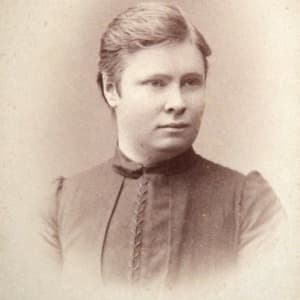
Ida Moberg (1859–1947) was a Finnish composer and teacher. She grew up in a musical family, her father being an instrument maker. Ida was exceptionally well-educated in music: she studied singing and piano at the St. Petersburg Conservatory, composing and singing at the Helsinki Orchestra School, composing at the Royal Musical Academy in Dresden, improvisation in Berlin and pedagogue in Hellerau. Her career as a composer got a start in Dresden, where her Overture in A minor attracted interest and gave fame to her name. After returning to Finland Moberg organized a concert of her compositions, which was met with mixed reviews. She continued composing throughout her life but made living as a teacher.
Source
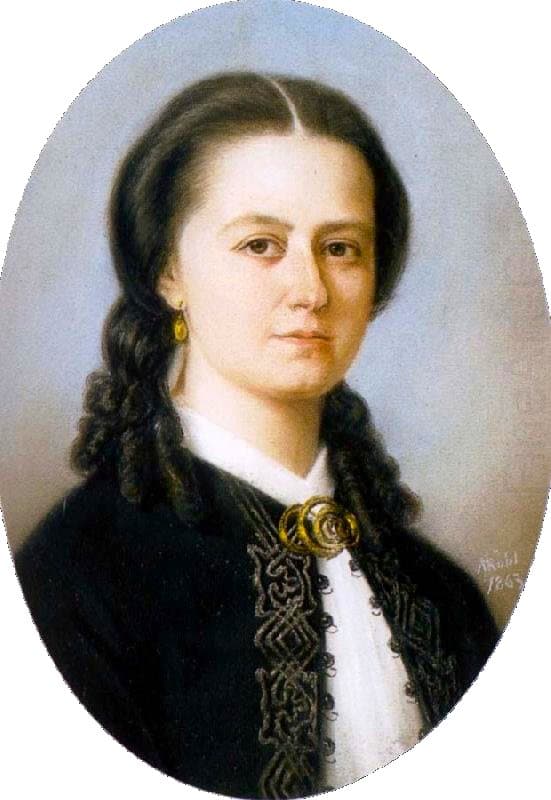
Laura Constance Netzel (née Pistolekors), b. 1 March 1839 in Rantasalmi, Finland, d. 10 February 1927, Stockholm, grew up in Stockholm and was both pianist and composer (from 1874 onwards using the sobriquet ‘Lago’). She studied composition under Wilhelm Heintze in Stockholm and Charles-Marie Widor in Paris. For many years she also worked as a concert arranger and orchestral director. Most of her compositions are in late Romantic, chromatic style, with touches of contemporary French music, and her work received coverage not least in French music journals.
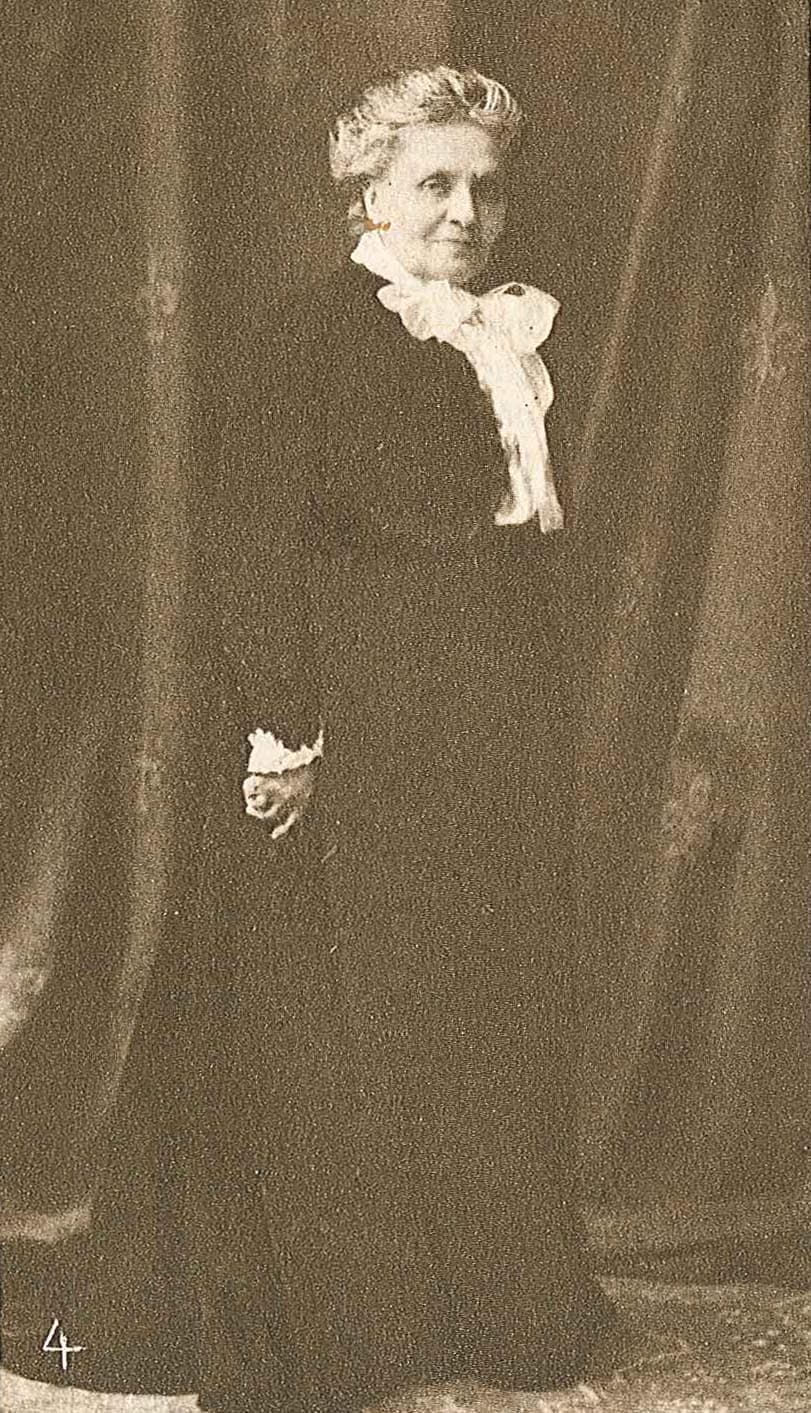
Elfrida Andrée was born on 19 February 1841 in Visby and died on 11 January 1929 in Gothenburg. She was the first woman in Sweden to graduate as an organist (1857−60) and to become a cathedral organist; she became organist of Gothenburg Cathedral in 1867 and remained so until she died.
She studied composition with Ludvig Norman at the educational institution of the Royal Swedish Academy of Music (1860).
As a composer of chamber music and symphonic works, she was a female pioneer in Sweden, and the same goes for her activity as an orchestral conductor. Member of the Royal Swedish Academy of Music in 1879, Litteris et Artibus award in 1895, Idun ‘Women’s Academy’ fellowship in 1908.